Your body, not just your symptoms
Know your body. Trust yourself. Enjoy your life in it.
A realistic, shame-free guide to anatomy, variation, pleasure, sexual health, periods, contraception, birth, menopause, and the questions people rarely ask out loud.

Start where life is happening
More than anatomy. More than problems.
Your body is part of pleasure, love, periods, decisions, birth, aging, and ordinary days. Choose the doorway that fits now.
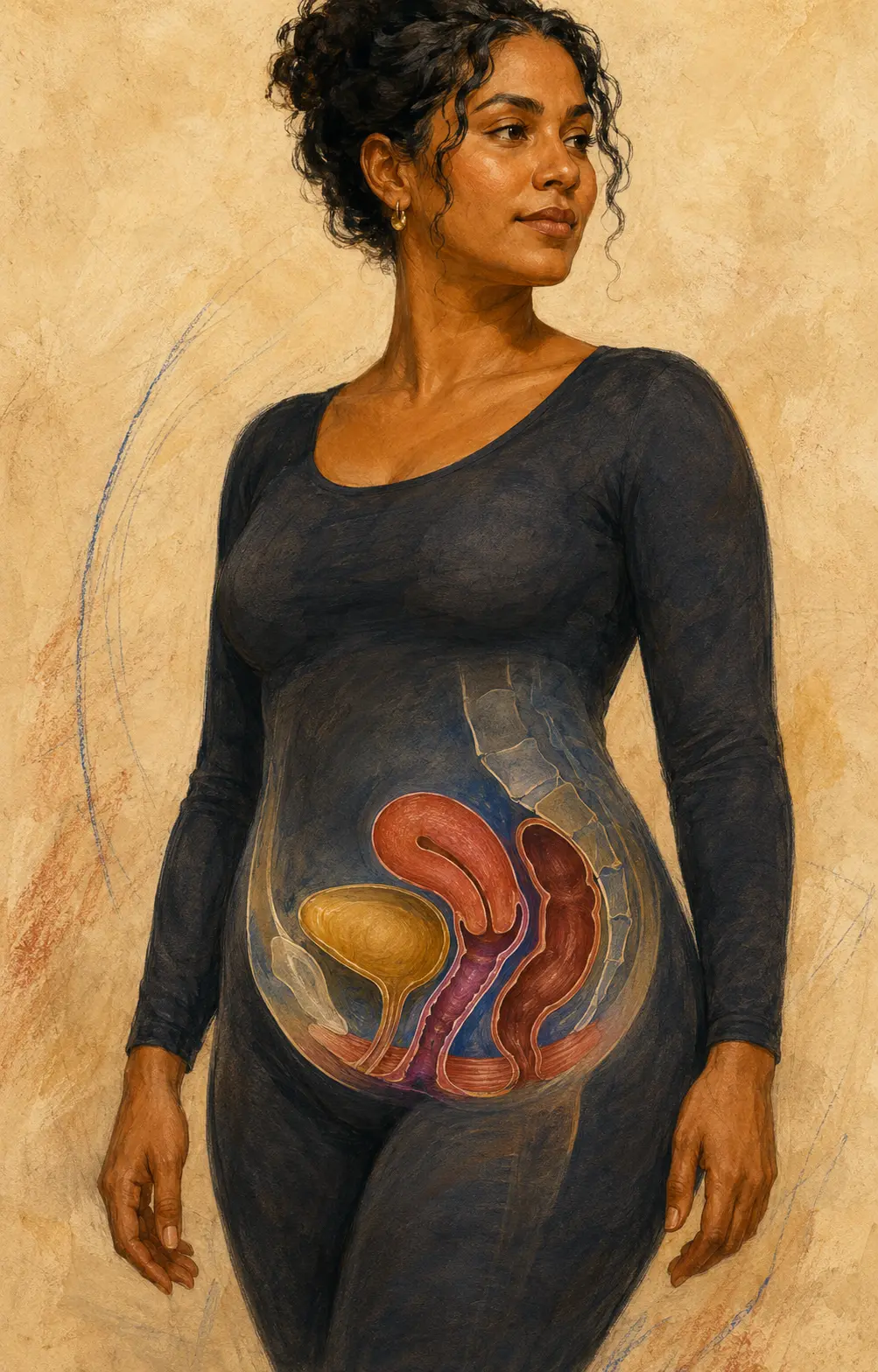 See real variation
Vulvas, labia, color, folds, and pubic hair without a beauty standard.
Explore Explore pleasure
Self-touch, arousal, orgasm, toys, comfort, and body confidence.
Explore Have safer sex
STIs, testing, barriers, toys, and anal versus vaginal penetration.
Explore Compare contraception
Methods, priorities, tradeoffs, and a better appointment conversation.
Explore Understand cycles
Periods, bleeding, symptoms, and a private tracking notebook.
Explore Move through life
Pregnancy, birth, postpartum recovery, menopause, aging, hormones, and surgery.
Explore Discharge
 Odor
Odor PainBleeding
 Skin changes
Body literacy, made visible
“Normal” is a wide landscape, not one diagram or one edited body.
Learn the names, see natural variation, understand how arousal and life stages change tissue, and recognize when a change deserves care.
Open the variation library
Selected layer
Skin and lining
Vulvar skin and vaginal tissue respond to friction, products, hormones, infection, inflammation, and treatment. What you see is only one part of the story.Open a related guideVisual guide library
Start curious. Leave knowing what matters.
The vulva variation atlas
Variation is expected. A new or changing symptom matters more than resemblance to one idealized image.
02A shame-free guide to self-pleasure
Your body is not a test. Curiosity, consent with yourself, and comfort matter more than performance.
03
Choose a toy without the hype
Choose for your body and the job, not for a promise that something is universally powerful, feminine, or life-changing.
04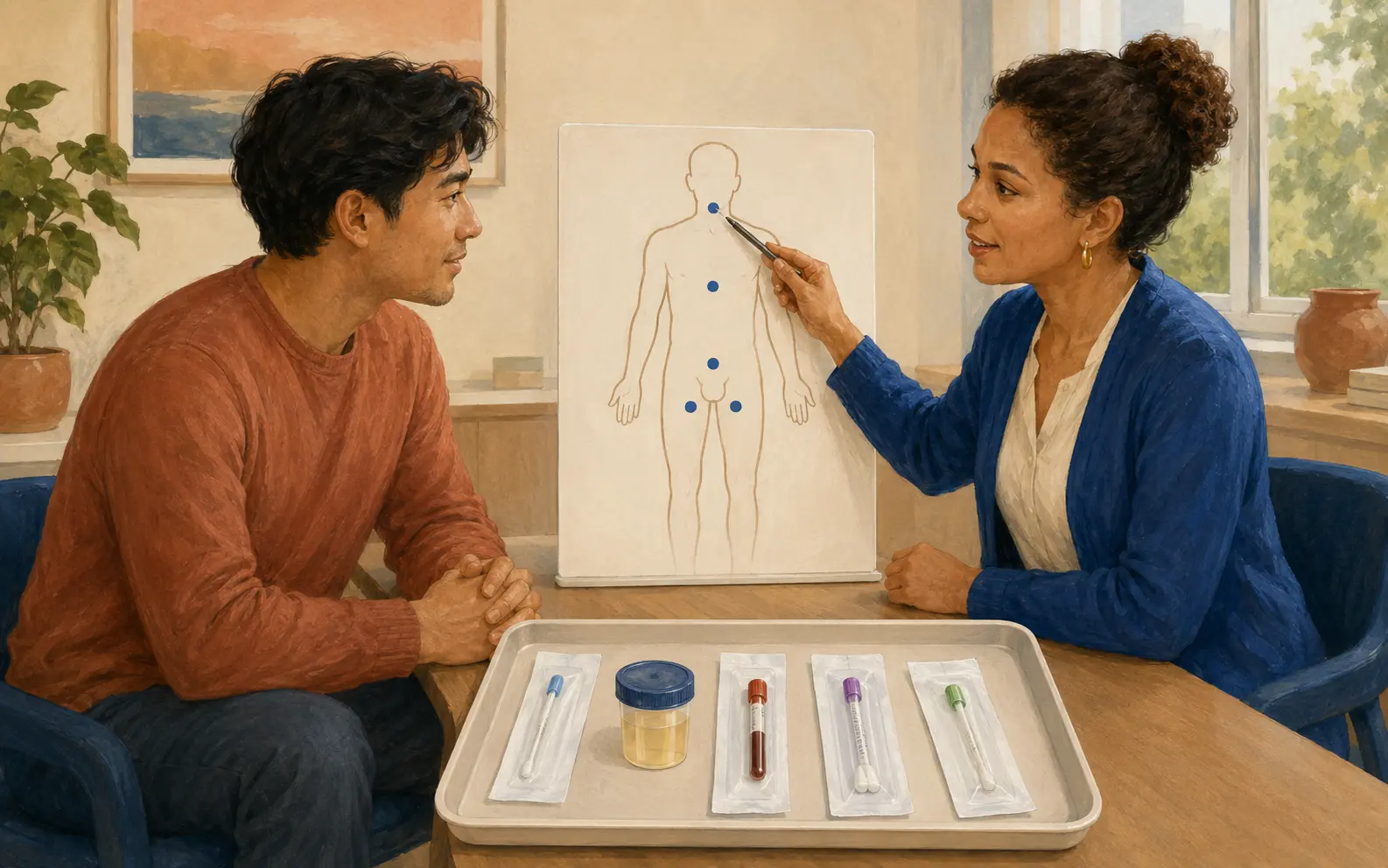
STI testing follows the contact
A urine test or vaginal swab does not automatically test every infection or every exposed body site.
05A contraception conversation compass
There is no universally best method. There is a better-informed conversation about what matters to you.
06
Track a cycle without giving away your life
Track what helps you make a decision, and keep the data only as long as it is useful to you.
Context changes the answer
The same change can mean something different in a different chapter.
Pregnancy, postpartum recovery, menopause, hormones, surgery, treatment, and the anatomy you have all belong in the answer.
Make the visit easier
Bring the question. Keep your voice.
Prepare what to say, what a clinician may ask, what you can request during an exam, and when you can ask to pause.
Build an appointment note
Evidence you can inspect
No anonymous “experts say.”
Clinical claims link to organizations such as ACOG, CDC, the Office on Women’s Health, USPSTF, and UCSF’s Gender Affirming Health Program.
This private review version has completed an evidence check, not independent clinician review. That review is required before public launch.
Review the source desk